Monday - Thursday
10:00AM - 9:00PM
Friday - Saturday
10:00AM - 10:00PM
Sunday
11:00PM - 8:00PM

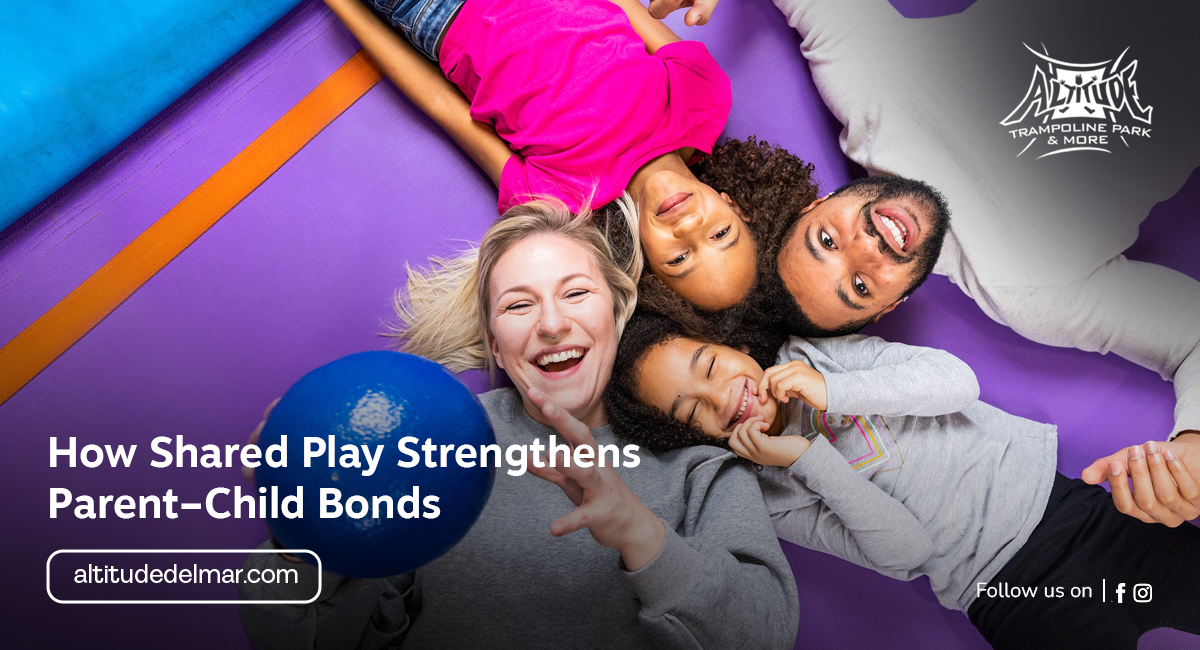 |
Remember the last time you laughed so hard with your child that you forgot to check your phone? That hiccup of pure, live connection. The messy hair, the giggles, the breathless “again!” This is what shared play does best. It isn’t a luxury. It’s relationship work disguised as fun.
Let us dig into why play matters for bonding, what actually happens in your brain and theirs when you play together.
Playing with your child sends a clear message... I’m here with you. That message becomes trust. Trust becomes security. Security becomes confidence. And confidence becomes a kid who feels safe exploring the world because they know they have you to come back to.
Think of play as the language kids speak best. Before they master complex words, they narrate feelings through running, building, hiding, and making-believe. When parents join by following, mirroring, or co-creating, two things happen quickly
Emotional attunement improves. You learn your child’s cues, rhythms, and limits faster when you’re in the same activity. You notice small shifts in their mood and can respond without long conversations.
Safety is reinforced. Presence during play tells your child, “I’m your safe base.” That feeling anchors them in social situations, school transitions, and even challenging moments later on.
Those micro-interactions build attachment the same way repeated tiny deposits build a big savings account.
When you play with your child, biology backs up the good feelings.
Oxytocin spikes: This “bonding hormone” increases during positive physical interactions like hugging, laughing, or cooperative play. Oxytocin promotes trust and closeness.
Stress hormones dip: Cortisol lowers with soothing, playful interaction. That’s why a quick game can turn anxiety into calm.
Brain sync happens: When two people move in rhythm neural circuits temporarily synchronize, boosting feelings of connection and “we-ness.”
Emotional regulation practices itself: Shared play sessions teach kids how to manage highs and lows safely. All because they practice trying, failing, and trying again while you cheer them on.
All of this is not abstract. It shows up in bedtime ease, better sibling cooperation, and more relaxed school mornings.
.png)
Modern life is noisy. Calendars are full. Devices are magnetic. Quality time evaporates into logistics.
That’s why being intentional matters. Shared play isn’t one more item on the to-do list. It’s the most efficient investment for connection. A 20 - 30 minute, focused play session can produce more relational return than hours of passive togetherness because it’s active, reciprocal, and emotionally dense.
Not all play places are the same. The best ones do two things:
Remove friction: No setup, no gear, no living-room rearranging. You walk in, and play is available. That reduces the activation energy required to connect.
Offer shared invitations: Instead of forcing parents to invent games, the space itself invites participation. Trampolines beg for tandem jumps, obstacle lanes ask for team timing, and foam pits beg for cheering and silly stunts.
A well-designed active play venue also handles safety and structure. That means parents can relax, participate, and focus on emotional connection rather than refereeing or worrying about furniture damage. When you remove the operational load, you bring more of yourself into the moment.
You don’t need a weekly two-hour session to make a difference. Try these tiny habits:
The 10-Minute Rule: Commit to 10 uninterruptible minutes of play after dinner. Phone on “do not disturb.”
The One-Question Start: Ask, “Want to play a quick game?” Kids will usually say yes.
Routine Integration: Make a micro-game part of arrival routines.
Rotate Leader Day: Let each family member plan one play snippet per week. Ownership builds enthusiasm.
Small, consistent play builds a culture of connection faster than occasional grand gestures.
If participating feels strange, you’re not alone. Many adults feel rusty. Try this.
Follow their lead: Let kids invent, and you respond.
Lower the stakes: Aim for fun, not performance.
Use prompts: “Show me your favorite move” or “Teach me something you learned.”
Be imperfect on purpose: If you stumble, laugh. That models resilience.
Set a timer: 10 focused minutes removes pressure to sustain energy.
Most kids prefer a present parent to a perfect one. Your willingness to be silly matters more than your skill.
Monthly “Family Play Night": Pick the same weekend and activity style.
Birthday Play Tradition: Make the same simple active game part of every celebration.
Gratitude Finish: End a play session with each person naming one favorite moment.
Play Passport: Keep a small booklet where kids stamp a page each time you play together. After 10 stamps, choose a family outing or treat.
Rituals turn one-off fun into shared history.
Shared play is the shortest path from “busy family” to “connected family.” It’s efficient in time, powerful in emotional impact, and resilient in messy, real life. Spaces that remove friction are tools, not crutches. They help you do the thing that matters... Be present.
So pick one small game tonight. Put your phone away. Jump, dance, build, and laugh for ten focused minutes. You’ll make a deposit in your relationship account, and that, over time, becomes the safety net your child carries into the world.
Bring the energy. Bring the laughter. Bring yourself. The rest takes care of itself.
The Funfull App
Search for the “Funfull” app and download. Once registered, enjoy your visits to all partnering entertainment venues!.png)
.png)