Monday - Thursday
10:00AM - 9:00PM
Friday - Saturday
10:00AM - 10:00PM
Sunday
11:00PM - 8:00PM

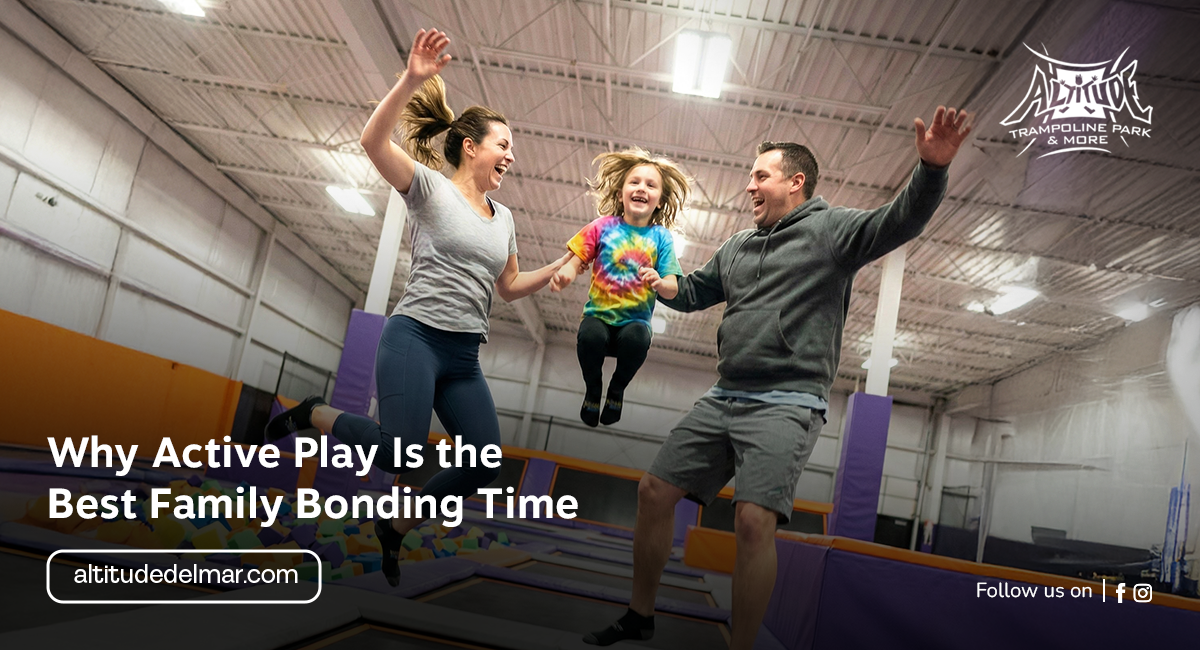 |
Remember the last time your whole family laughed so hard you forgot what you were supposed to be doing? Not a forced “say cheese” laugh but a real, belly laugh that came after running, jumping, or dancing together. Those moments are the result of active play, and they’re exactly why movement is one of the simplest, most powerful tools for family bonding.
Let us explain the why, the how, and the real payoff. Let’s make family connection feel fun again...
When families move together, something pretty neat happens inside everyone’s heads.
Endorphins & dopamine: Physical activity releases feel-good chemicals that instantly lift mood and reduce stress. That’s why a five-minute dance party makes everyone grin.
Synchronized movement builds connection: When people move in time together, it increases feelings of belonging and social closeness. That’s not just a warm idea, it’s a basic human response.
Oxytocin & social bonding: Shared positive experiences increase the hormones tied to trust and closeness. Playful touch, cheering, and shared victories nudge families toward feeling safe and connected.
Emotional regulation: Movement helps to process excess energy and strong emotions. Burning off that honest physical buzz often results in calmer evenings and fewer meltdowns.
Put simply... Active play isn’t frivolous. It’s emotional maintenance packed into short, joyful bursts.
We’ve all tried the typical family “together” options... Movie night, dinner, or sitting in the same room while screens quietly monopolize attention. Those things have their place, but they don’t build the same muscle as moving together.
Active play
Creates shared goals.
Produces inside jokes and stories that kids tell at school.
Encourages cooperation and friendly competition.
Gives everyone permission to be loud, silly, and unpolished.
When families move together, conversation shifts from logistics to "okay, on three, we jump!” That’s the kind of interaction that creates real closeness.
This isn’t just idealistic. Families who play actively together report real, practical wins:
Fewer evening meltdowns. Kids who get physical activity are often calmer and more cooperative later in the day.
Better sleep. Movement helps regulate sleep cycles for kids and adults alike.
Less screen resistance. When play is fun, kids are less likely to default to screens for entertainment.
Easier family time. Shared activities reduce the “what should we do?” friction that derails plans.
And a bonus: It’s an easy, affordable emotional investment. No huge toys. No complicated planning. Just movement + attention.
You don’t need hours. You don’t need elaborate equipment. The trick is short, consistent bursts that become family rhythm. Try these, each 5–20 minutes, and notice the tone of the evening shift.
Sync dance: Put on one upbeat song and dance together. Try a simple move that the whole family repeats.
Jump countdown: Count down from 10 while everyone jumps in place. Add silly poses on the final beat.
Flash relay: Line up, run a short course, high-five the next person.
Backyard obstacle course: Use cushions, chairs, and a broomstick balance beam. Time each other. Celebrate small improvements.
Glow-night living room party: Low lights, fairy lights, glow bracelets, and a playlist. Add a “freeze” moment for photo ops.
Mini sports rotation: 10 minutes of soccer, 10 minutes of frisbee, 10 minutes of relay races.
Family jump session: If you have a trampoline park near you, make it a weekly thing.
Get Access to Unlimited Visits and Jump Experience with Our Member Pass
Park-and-play Sunday: One park per month with different active themes.
Active game night: Board games are great, but rotate in physical games like charades, Twister, or Nerf battles to mix movement with fun.
Family chores become bonding moments when they’re active and playful
Tidy race: Set a timer. Who can pick up the most toys? Winner gets dessert choice.
Laundry hop: Fold socks at the top of the stairs, and the person who carries the laundry down does a silly hop.
Cooking relay: One person stirs, another sets plates, someone else does napkins... Move between stations like a kitchen relay.
These small twists turn routine into connection, and kids learn that contributing is part of a team.
If you want kids to bond via active play, adults have three roles:
Model participation. Show up and move. Laugh at yourself. Try a jump or dance move.
Join, don’t perform. You don’t need to be an expert. Your presence matters more than perfection.
Step back when needed. Let kids lead age-appropriate games. Your cheer is the key, not a constant direction.
When parents join with joy, kids learn that play is for everyone. That’s a lesson that lasts.
The best family traditions are simple and repeatable. Here are a few that are easy to start
First Jump of the Weekend: A Saturday morning 10-minute jump session to kick off the weekend feeling.
Glow Night: Once a month, low lights + glow sticks + music.
Holiday Jump Ritual: A post-Thanksgiving bounce to burn off sugar and make a memory.
The Annual Silly Race: Record it. Compare times each year.
The secret... Keep it flexible, keep it joyful, and don’t let “perfection” sneak in. Traditions survive when they’re fun, not forced.
Consistency matters more than intensity. Try these to keep it going:
Keep it short. 10–20 minutes is often enough to change the mood.
Schedule it. Put it on the family calendar... Treat it like any other appointment.
Rotate leadership. Let kids plan the game sometimes to increase buy-in.
Reward laughter. The reward can be as simple as choosing the next family movie.
Mix high-energy and calm. Follow a jump session with a cozy read or hot chocolate to shift from movement to relaxation.
Active play supports development in practical ways
Emotional regulation: Movement helps kids calm down after high arousal.
Executive function: Games that require planning or waiting improve focus and impulse control.
Motor skills: Jumping, balancing, and climbing build coordination and confidence.
Social skills: Team play teaches communication, negotiation, and empathy.
So play isn’t just fun, it’s developmental work disguised as joy.
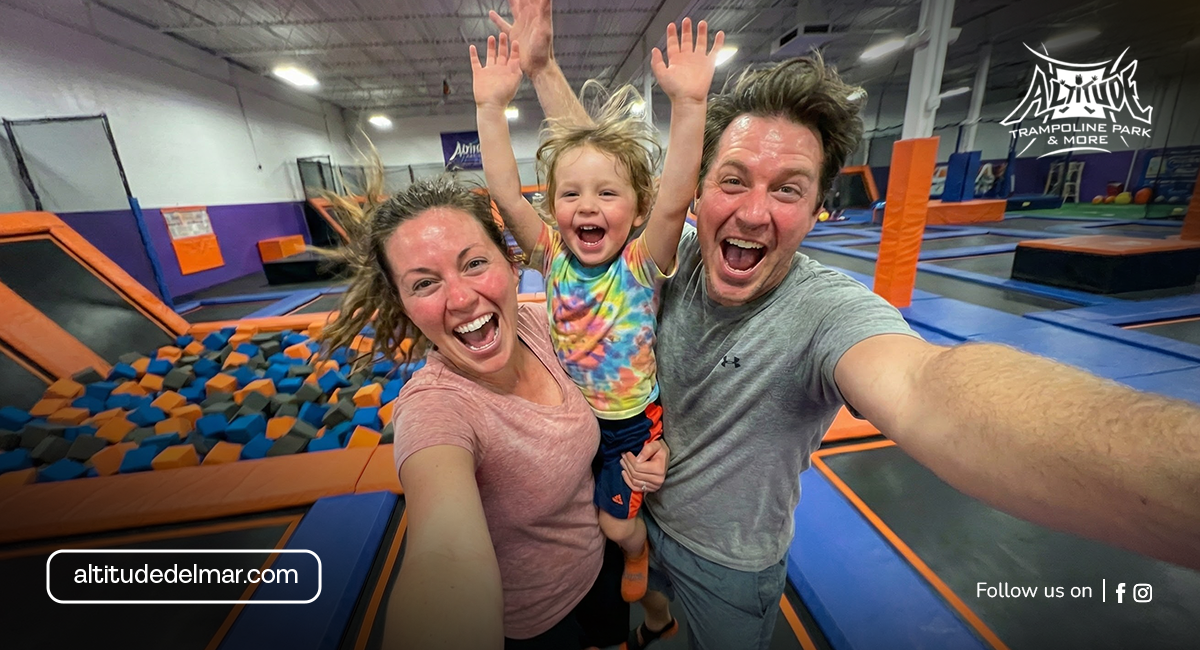
Sometimes the best step is a change of scene. Community centers, play gyms, and trampoline parks offer
Safe, age-zoned play areas for mixed groups
Built-in activities that eliminate planning stress
Weather-proof options year-round
Opportunities for parents to be present without supervising every second
If you want big bang for your bonding buck (especially during busy seasons), an organized active space can be a game-changer.
Active play is an investment. It’s short-term mood repair and a long-term relationship builder. The laughter you create today becomes the shared stories your family retells years from now.
So pick one small thing from this guide. Try it tonight. Laugh if it’s awkward. Celebrate the tiny wins. You won’t regret building a rhythm where movement and presence meet.
Because the best family memories aren’t manufactured. They’re made together, in the middle of Altitude Trampoline Park.
The Funfull App
Search for the “Funfull” app and download. Once registered, enjoy your visits to all partnering entertainment venues!.png)
.png)